<
01/05
>
Meticulous Sourcing
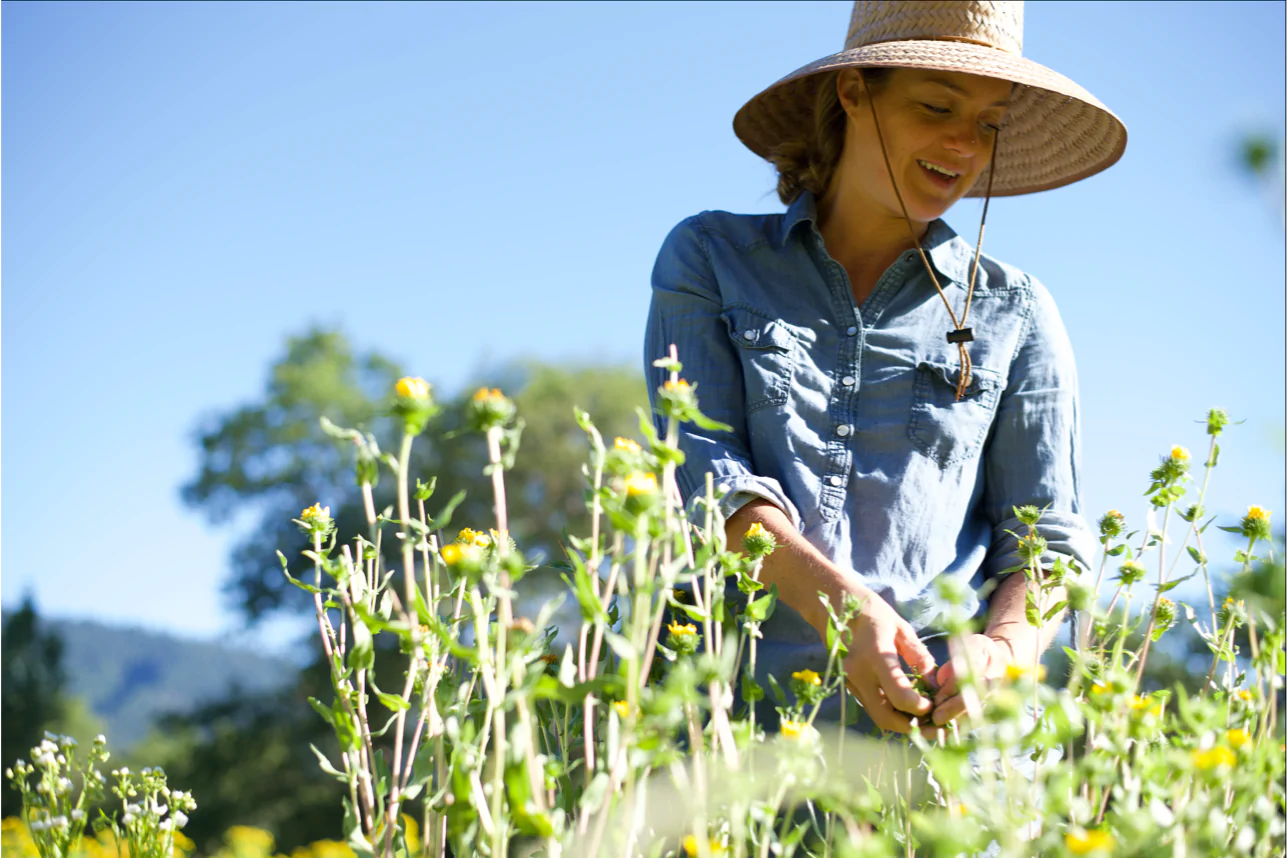
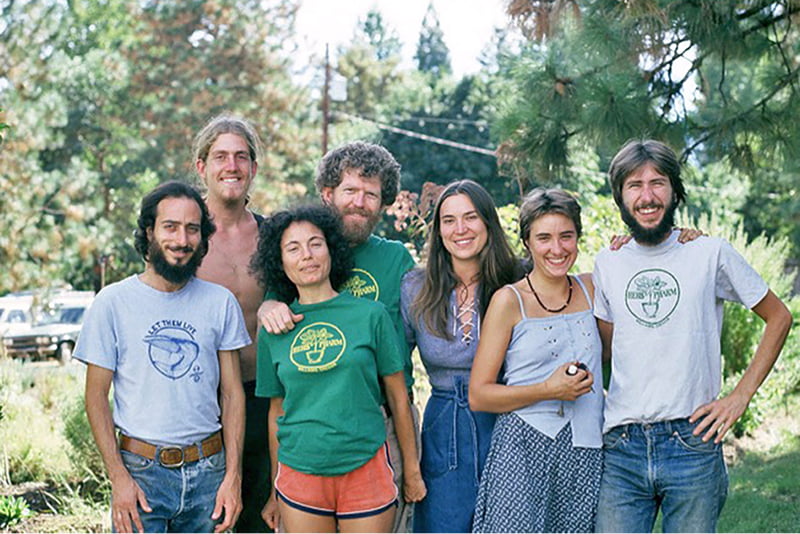
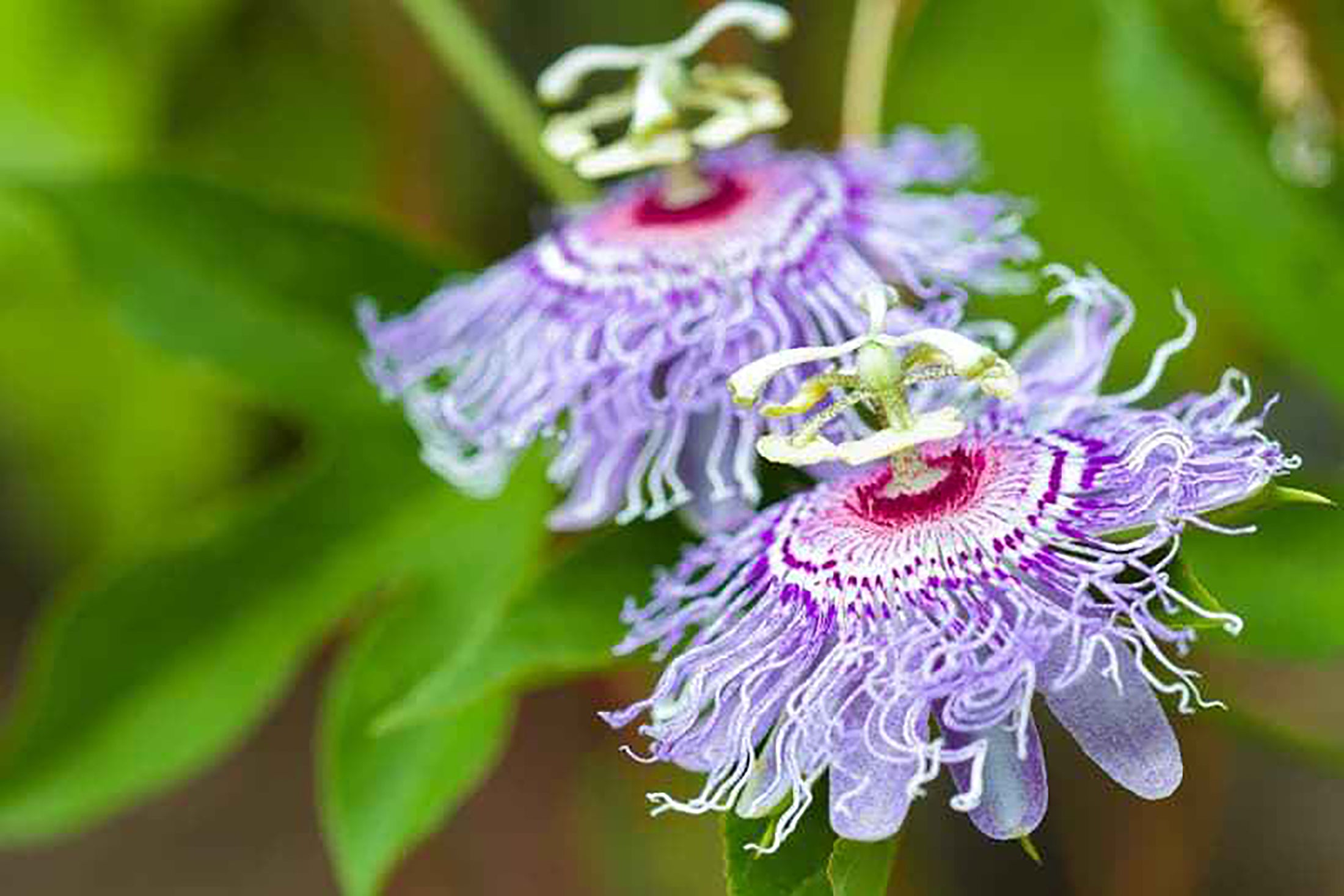
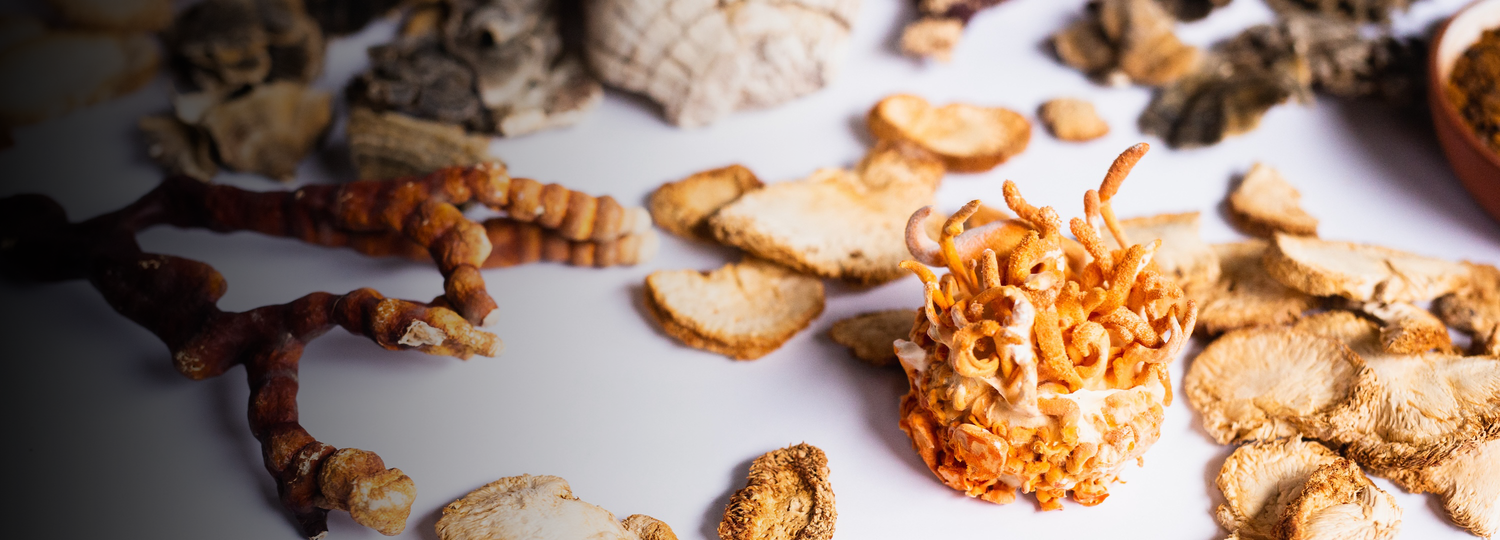
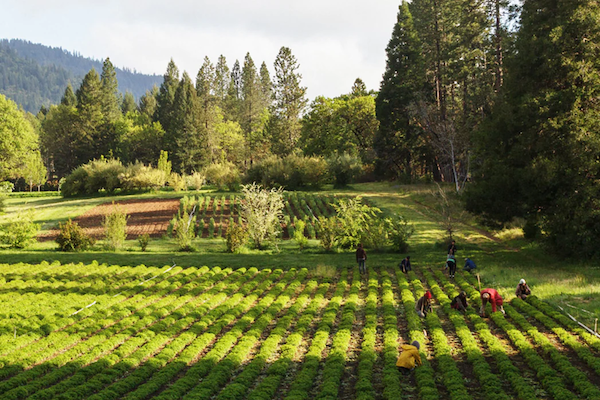
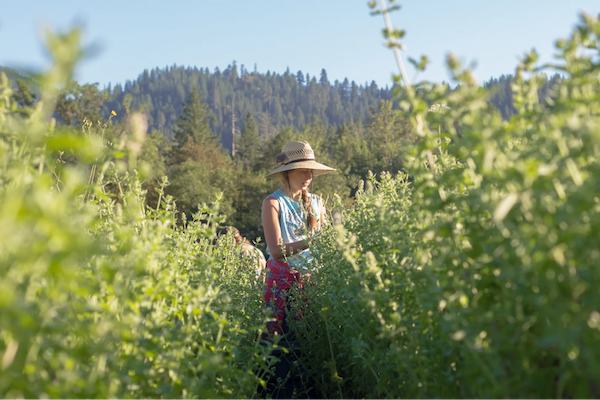
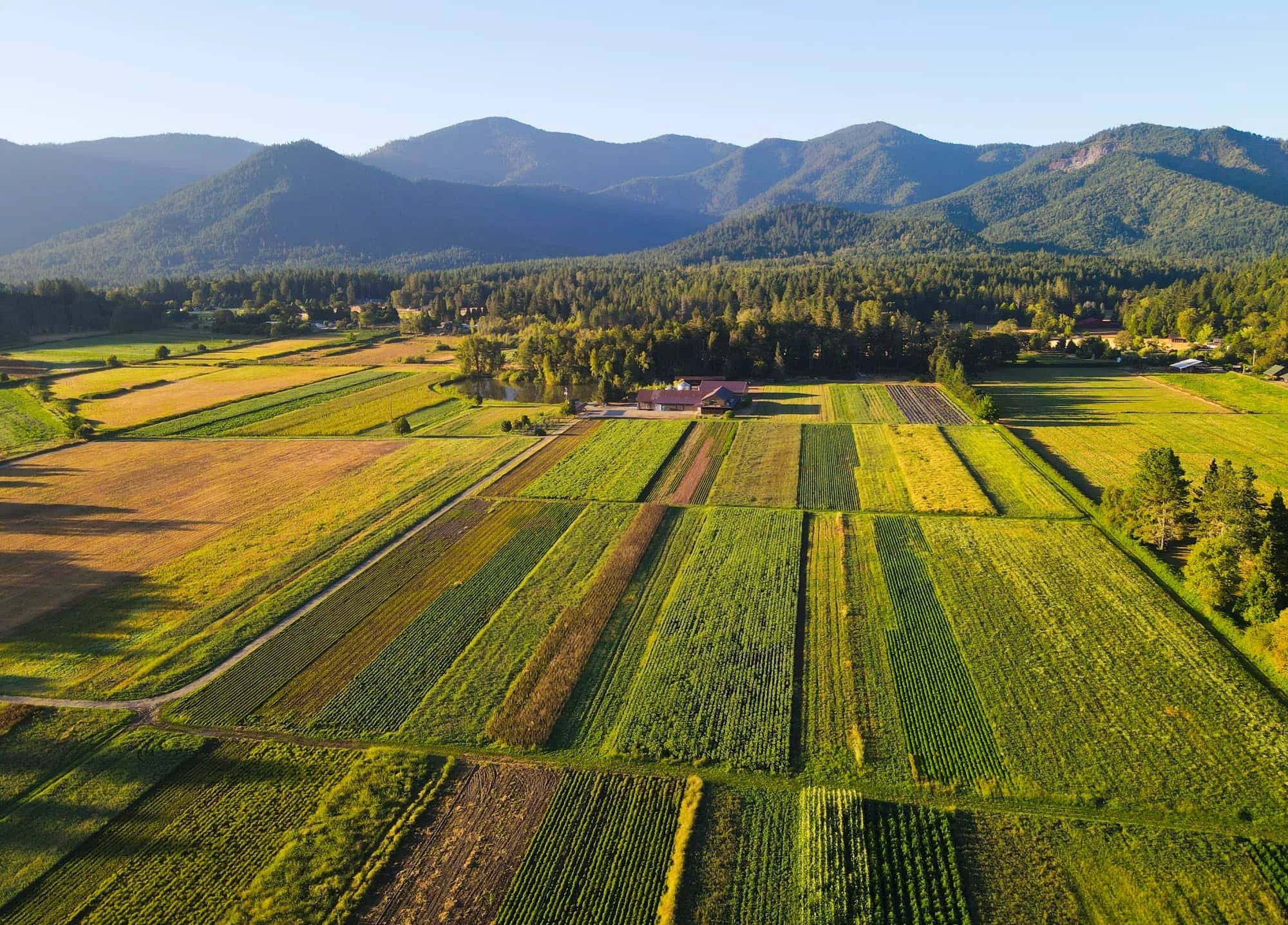
Only the best will do! You’ve got to start with the highest quality herbs to get the highest quality herbal extracts. That’s why we’re very particular. We grow as many as we can ourselves at our Certified Organic farms in southern Oregon. Every spring, annual seeds are tucked into soil mixes customized to each variety to help them grow strong. Perennial plants are tended, sometimes for years, until just the right time to harvest. Across the world we work with wildcrafters who ethically source herbs in their native habitats, adhering to strict standards to ensure an abundant, renewable supply for generations to come.
<
02/05
>
Precise Harvesting
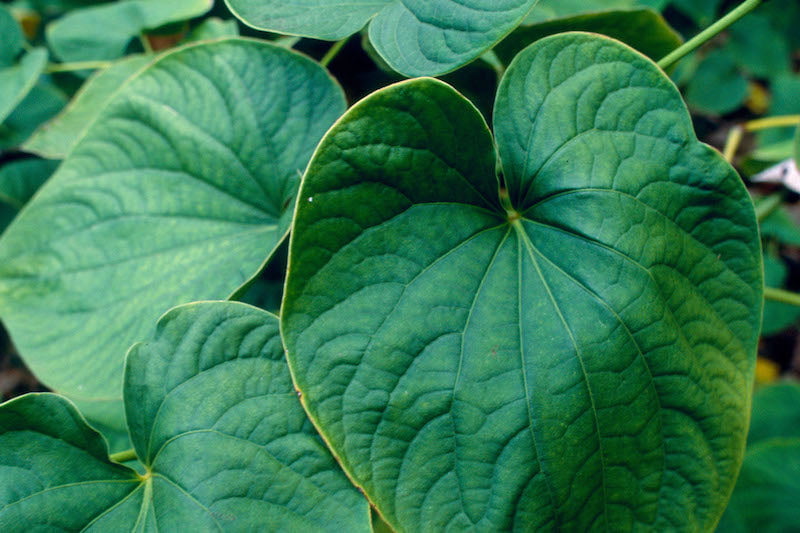
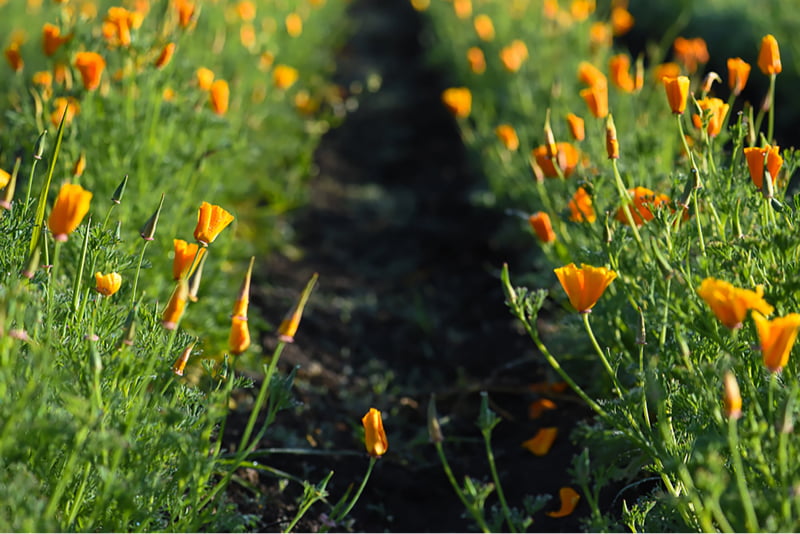
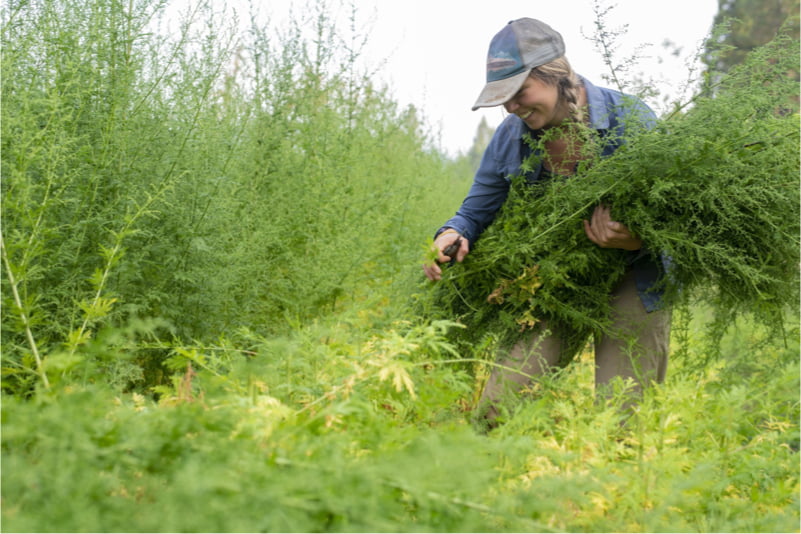
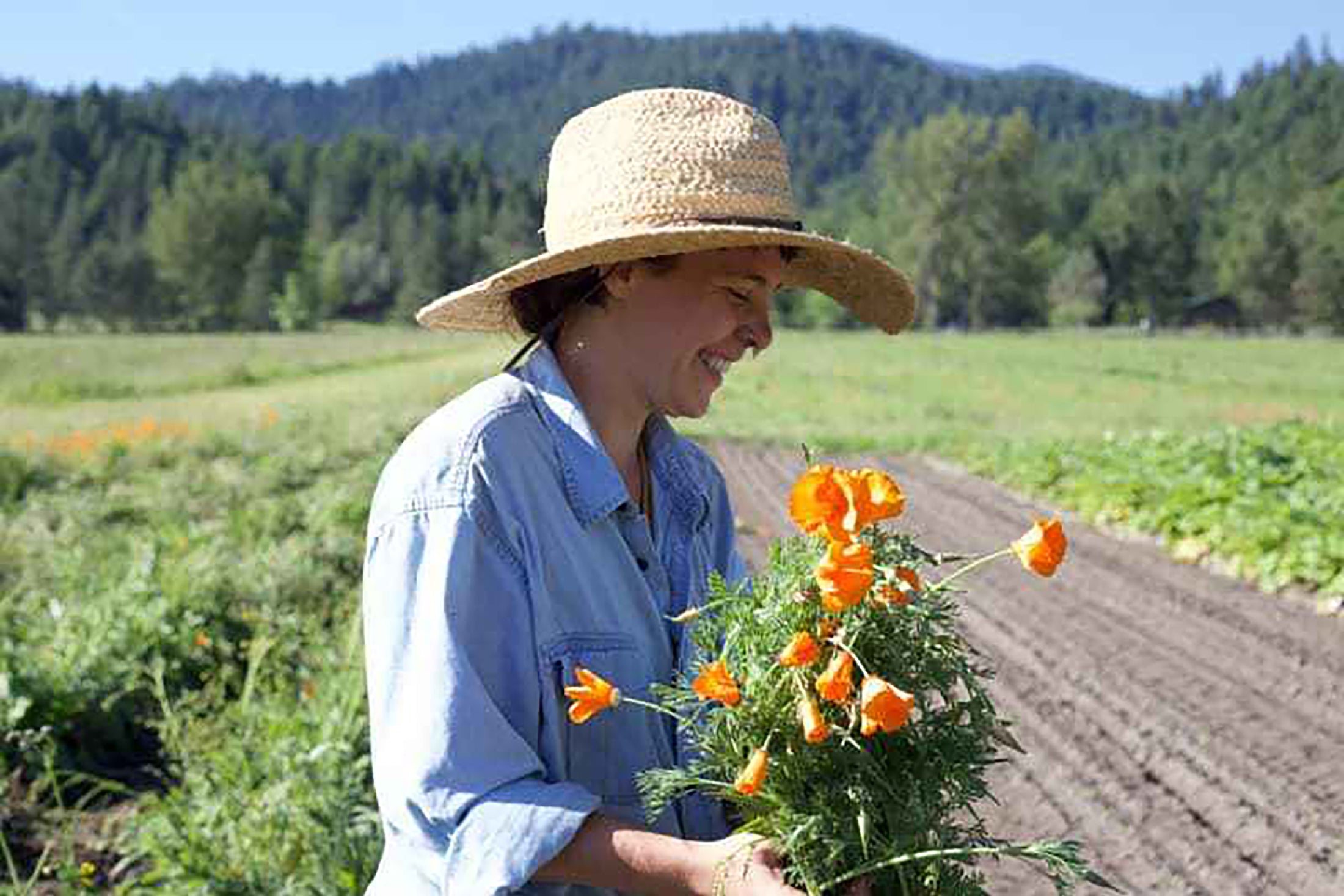
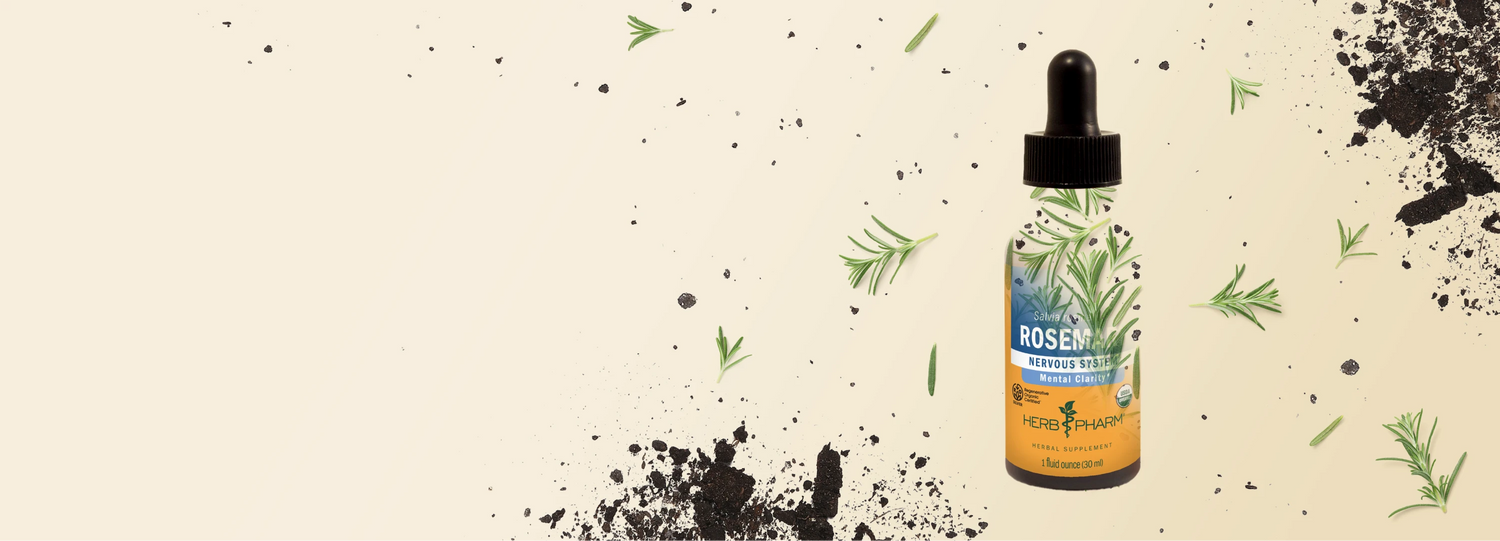
Thanks to both ancient wisdom and modern science, we know exactly which part of each plant is most useful and when to harvest to get the highest concentration of beneficial phytochemicals, the plant compounds that support how our bodies work. We take cues from cultures throughout the world where both oral traditions and ancient herbal texts have preserved knowledge. Science helps us confirm what we’ve learned from traditional wisdom, to carefully time our harvests based on the plant part and season that produces the highest concentration of phytochemicals. Throughout the growing season we’re carefully harvesting plants, such as the flower heads of Chamomile (Matricaria chamomilla); entire plants of California Poppy (Eschscholzia californica), the roots of Valerian (Valeriana officinalis) and the roots and seeds of Burdock (Arctium lappa).
<
03/05
>
Uncompromising Quality
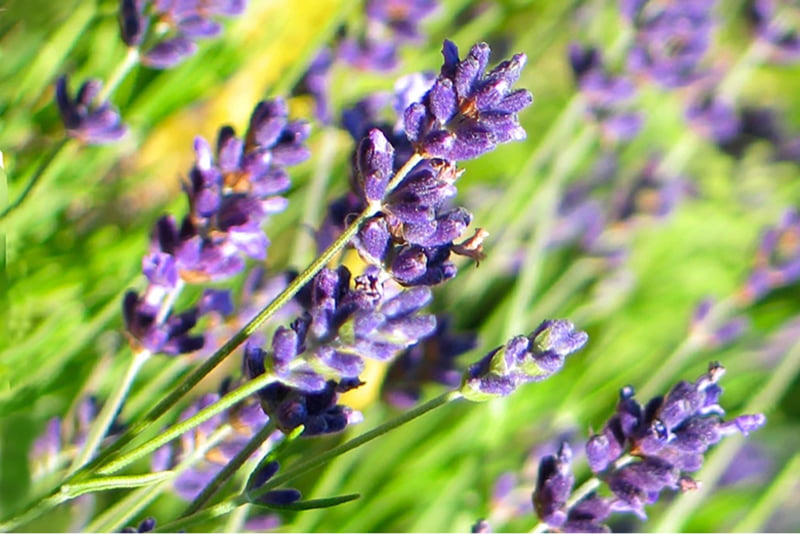
We confirm the identity of every lot of herbs that arrives at our processing plant, even the ones from our own farms. We’re looking for quality and purity. We conduct a visual macroscopic analysis to assess botanical characteristics, making sure it is the plant we expect, as well as an organoleptic analysis that assesses for flavor and aroma. All of our senses give us the first indication we’ve got the right plant, from how it looks, smells and yes, tastes. Then we conduct a variety of scientific evaluations to reconfirm we’ve got the right plant variety and plant part. We check for foreign organic matter such as unwanted plant parts. This is when a batch may be rejected for including too much connected stem, for instance, when its plant compounds are traditionally known to be concentrated in the leaves. Each herb and extract is subject to rigorous microbiological testing. In addition to meeting basic testing criteria, herbs may be further evaluated to ensure they are free of heavy metals, pesticides, fungicides, miticides and herbicides.
<
04/05
>
Custom Extraction
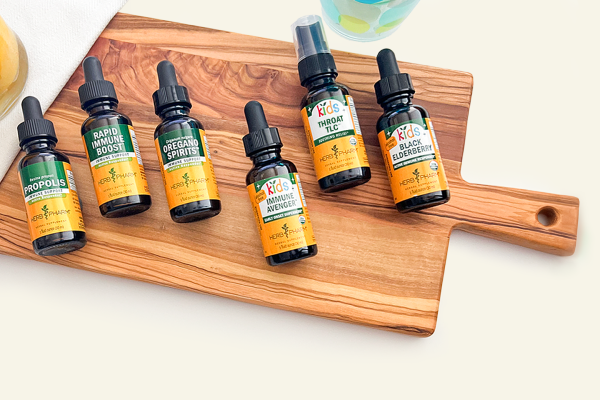
After decades of practicing herbalism, we know exactly how to extract the broadest spectrum of benefits from every herb. Many of the herbs arrive within an hour of harvest from our farms just a few miles down the road. We know that while some herbs are best fresh, others are ideal when processed dry. Either way, our expert team follows time-tested formulas. Our herbs are custom milled to just the right size and immediately combined in custom extract solutions, what professional herbalists call menstruum. These liquids are specifically chosen for efficacy, typically Certified Organic cane alcohol, distilled water, and/or Certified Organic non-palm vegetable glycerin. Our formulas determine how long each extraction takes, typically from 2-3 weeks with a specific number of hand turns along the way. Once fully extracted, we press and separate the liquid, then filter for ultimate purity.
<
05/05
>
Guaranteed Broad-Spectrum
No matter the herb, we are always committed to creating the highest quality product true to Mother Nature. Our herbalists believe in broad-spectrum extracts, meaning our products represent not isolated phytochemicals, but whole symphonies of beneficial plant compounds. Just as nature intended. Easy for you to use and your body to absorb. Nothing forced or artificial. Just pure plant wellness to help support daily wellness and a lifetime of good health.
Fine Print: In addition to adhering to our own stringent specifications and procedures, of course, we follow the FDA’s Current Good Manufacturing Practices (cGMP), a set of regulations imposed and monitored by the government. We voluntarily subject our process and our facility to third-party audits to verify compliance. Our UL Registrar third-party certification demonstrates compliance with the FDA’s cGMP for Dietary Supplements, and the Natural Products Association cGMP standard for Dietary Supplements.